<< Back
Omeprazole Side Effects: What to Know Before Taking It Long-Term
May 26, 2026
If you’ve ever had heartburn or acid reflux, you’ve probably heard of omeprazole. Or maybe it’s already sitting in your medicine cabinet.
“It’s one of the top ten most commonly prescribed medications in the United States and the most common medication prescribed for acid-related stomach issues,” says Karl Langberg, MD, a gastroenterologist with Hartford HealthCare and PACT Gastroenterology.
And while it’s highly effective, it also has risks, like any other medication.
So, what side effects should you actually watch for? Here’s what to know.
What is omeprazole?
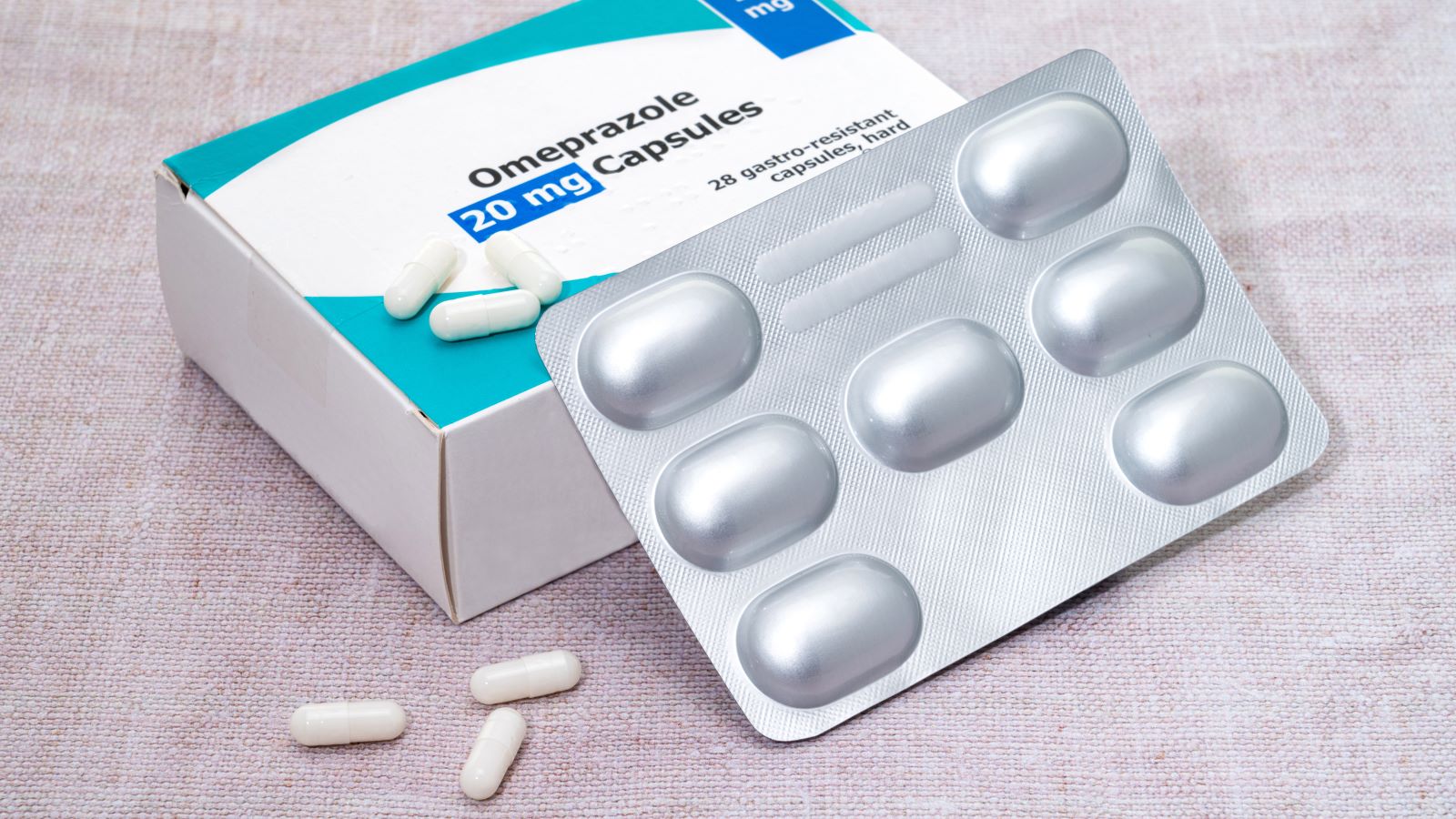
Omeprazole is a type of proton pump inhibitor (PPI), a medication that reduces how much acid your stomach produces. You might recognize it by the brand name Prilosec or Prilosec OTC.
Doctors use omeprazole to treat:
- Acid reflux and heartburn (GERD).
- Acid-related stomach pain or discomfort.
- Stomach ulcers.
- Ulcer prevention in people taking anti-inflammatory drugs (NSAIDs).
- Zollinger-Ellison syndrome and other rare conditions where the stomach makes too much acid.
“For most patients, omeprazole brings fast relief,” says Dr. Langberg. “But it should be taken with care, especially long-term.”
> Related: How to Choose the Right Acid Reflux Medication
Common omeprazole side effects
Most people tolerate omeprazole well. And when side effects do happen, they’re usually mild.
“Omeprazole is really a pretty safe medication,” says Dr. Langberg. “We used to think they were as safe as a Tic-Tac. But with time, after millions of people took omeprazole, there are some side effects that have come to light.”
Common side effects may include:
- Headache
- Nausea
- Stomach pain
- Diarrhea
- Vomiting
- Gas
Serious omeprazole side effects are rare, but possible
Long-term use can also carry a small risk of more serious side effects, including:
- Low magnesium
- Low vitamin B12
- Kidney changes
- Bone loss or fracture risk
- Ongoing diarrhea from certain infections
- Small stomach growths, which are usually harmless
That doesn’t mean everyone needs to stop taking it. But it does mean long-term use should be reviewed with a provider.
“If something feels off, especially if you’ve been taking it for awhile, check in with your provider,” Dr. Langberg says.
> Related: 7 Things That Might Be Making Your Acid Reflux Worse
Is it safe to take long-term?
Often, yes.
“There are good reasons to take omeprazole and other PPIs long-term,” explains Dr. Langberg. “Barrett’s esophagus or a history of bleeding gastric ulcers are prime examples, especially if you’re also on a blood thinner.”
Still, don’t forget your check-ins.
“Many people on omeprazole never think about stopping it,” he says. “While you may need it long-term, you don’t want to sleepwalk into taking it longer than you should. Check in with your doctor every year or two to reassess.”
How to take omeprazole safely
Lowering the dose or taking it for two weeks at a time during symptom flares are all reasonable strategies.
“But don’t stop cold turkey. Your stomach may overproduce acid when you quit suddenly,” says Dr. Langberg. “Work with your doctor on tapering off.”
To stay safe, he also recommends:
- Go over all medications and supplements with your provider – some don’t mix well.
- Check magnesium and B12 levels if you’ve been on it long term, especially if you develop low blood counts.
- Read the label, even on over-the-counter versions.
- Only take one 14-day over-the-counter course at a time. Don’t repeat more than every four months unless your doctor says it’s OK.
“These small steps help reduce risk,” Dr. Langberg says. “They make sure the medicine is working the way that it should.”
> Related: What Causes Acid Reflux at Night?
Omeprazole works best with a plan
Omeprazole can be helpful, especially if acid reflux, ulcers or other stomach issues are affecting your day-to-day life. But like any medication, it works best when you’re taking it for the right reason, at the right dose and for the right amount of time.
“People do things every day that carry a small risk to enjoy a better life – like riding motorcycles, eating unhealthy foods or hiking in remote places,” says Dr. Langberg. “The rationale for omeprazole is similar. You just want to make sure you’re getting the most benefit while exposing yourself to the least amount of risk.”
That’s where your doctor comes in.
“We’ll make sure you’re on the right dose, for the right reason and for the right amount of time,” he says. “That’s the best way to protect your health.”